Introduction to HPPE Gloves
High-Performance Polyethylene (HPPE) gloves have emerged as an essential tool across multiple industries due to their durability, cut-resistance, and lightweight characteristics. These gloves are crafted from a synthetic polymer known for its high tensile strength, which allows them to withstand challenging working conditions while providing unparalleled protection to the user. The unique properties of HPPE make them particularly adept at safeguarding hands from cuts, abrasions, and even certain chemical exposures.

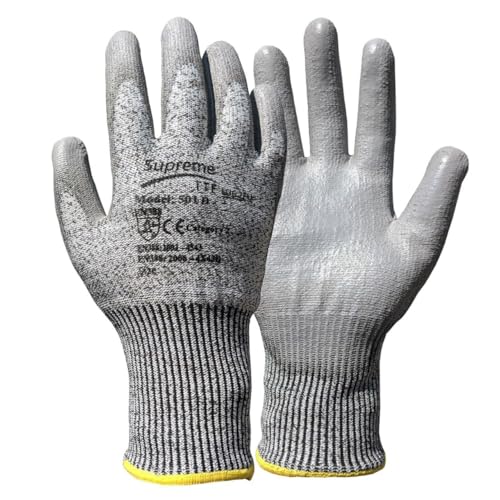
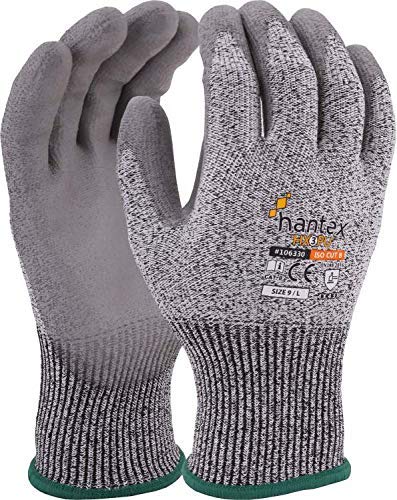
HPPE gloves are produced through a process that involves spinning fibers into yarn, resulting in a lightweight yet robust material that does not compromise on comfort. The gloves are often designed to provide excellent dexterity, which is crucial in industries where precision handling is required. This combination of strength and flexibility has made HPPE gloves a popular choice in various sectors, including construction, manufacturing, and healthcare, where hands-on tasks are prevalent.
In the construction industry, for instance, these gloves are indispensable for workers who are handling sharp tools or materials, as they offer enhanced protection without sacrificing mobility. Similarly, in healthcare settings, HPPE gloves can serve as a barrier against potential contaminants, ensuring that medical professionals can perform their duties safely.
Beyond their protective features, the lightweight nature of HPPE gloves makes them comfortable for prolonged use, reducing fatigue without compromising safety. As industries continue to prioritize worker safety, the demand for such gloves is anticipated to grow, prompting many manufacturers in the UK to focus on producing high-quality HPPE gloves that meet stringent safety standards.
Key Manufacturers of HPPE Gloves in the UK
The United Kingdom is home to several leading manufacturers of High-Performance Polyethylene (HPPE) gloves, known for their advanced protective features and comfort. Notable players include companies like Ansell, Polyco, and Honeywell, each of which has carved a niche within the glove manufacturing industry.
Ansell, with a rich history dating back to 1980, has established itself as a pioneer in protective solutions. With a focus on innovation, Ansell continually enhances its HPPE glove range, ensuring compliance with international safety standards. The company employs advanced manufacturing techniques and sustainable practices, thus setting benchmarks for quality in the industry. Ansell’s commitment to research and development facilitates the introduction of gloves that combine durability with user-friendliness, making them a preferred choice for various applications.
Another significant player is Polyco, which has been operational since the 1960s. The company’s extensive experience in the market allows it to cater to diverse sectors such as construction, automotive, and food processing. Polyco’s HPPE gloves are especially recognized for their cut resistance and dexterity, appealing to users who require both safety and precision. The company invests heavily in technological advancements and employee training to ensure high quality in its production processes and adheres to stringent certifications.
Honeywell, a global leader in safety products, also offers a robust line of HPPE gloves. Their experience spans over a century, and they leverage this expertise to meet evolving safety requirements. Honeywell emphasizes ergonomic designs and innovative materials, ensuring that their gloves provide maximum protection without compromising flexibility. Through continuous product evolution and rigorous testing techniques, Honeywell positions itself as a trusted supplier in the competitive market of HPPE gloves.
In conclusion, the UK’s leading manufacturers of HPPE gloves are committed to quality, innovation, and safety, playing crucial roles in shaping industry standards and consumer expectations.
Quality Standards and Certifications in HPPE Glove Manufacturing
HPPE (High-Performance Polyethylene) gloves have gained popularity in various industries due to their excellent cut resistance, durability, and comfort. However, the reliability and performance of these gloves cannot be separated from the stringent quality standards and certifications that manufacturers in the United Kingdom must adhere to. The regulatory frameworks and quality control measures play a crucial role in ensuring that HPPE gloves meet the safety expectations of both consumers and industry professionals.
One of the key standards that HPPE glove manufacturers in the UK must comply with is the EN 388 standard, which assesses the protective properties of gloves against mechanical risks. This includes tests for abrasion, cut, tear, and puncture resistance. Achieving EN 388 certification indicates that the gloves have undergone thorough testing and can be trusted to provide an appropriate level of protection for their intended applications, such as construction, manufacturing, and logistics.
Environmental considerations also influence the quality standards associated with HPPE glove manufacturing. Many manufacturers are increasingly adopting eco-friendly practices throughout their production processes. Certifications such as ISO 14001 and Oeko-Tex Standard 100 demonstrate a commitment to reducing environmental impacts, ensuring that the materials used in glove production are safe for both consumers and the planet.
Furthermore, regular audits and quality control checks are essential in maintaining adherence to these standards. Manufacturers often implement rigorous internal quality assurance protocols, ensuring that each batch of HPPE gloves meets the designated safety requirements before being delivered to consumers. This level of commitment to quality not only increases the reliability of the gloves but also fosters consumer trust.
As buyers seek out HPPE gloves, awareness of these quality standards and certifications equips them to make informed decisions. By choosing gloves from manufacturers that prioritize compliance with recognized safety and environmental regulations, consumers can enhance their own safety and well-being in various professional settings.
Future Trends in HPPE Glove Manufacturing in the UK
The landscape of HPPE glove manufacturing in the United Kingdom is undergoing significant transformation, driven by advancements in technology, a growing emphasis on sustainability, and an increasing demand for personal protective equipment (PPE). As industries recognize the crucial role that high-performance protective gloves play in ensuring worker safety, manufacturers are challenged to innovate continuously.
One notable trend is the integration of advanced materials and technologies in glove production. Manufacturers are increasingly employing cutting-edge techniques such as 3D knitting and seamless construction. These innovations not only enhance the comfort and dexterity of gloves but also improve their durability and protective properties. For example, the use of smart textiles embedded with sensors can provide real-time data on hand health or environmental conditions, paving the way for smarter PPE solutions that cater to various industries, from healthcare to construction.
Sustainability is another critical focus area. With growing awareness of environmental issues, manufacturers are exploring eco-friendly materials and processes. The shift towards using recycled or bio-based materials in HPPE glove production reflects a broader trend towards circular economy practices. This not only aligns with consumers’ preferences for sustainable products but also responds to regulatory pressures for reduced environmental impact.
The demand for HPPE gloves is projected to grow significantly as global health concerns prompt industries to prioritize worker safety. This has led manufacturers to adapt by scaling production capabilities and improving supply chain management. The disruptions experienced during recent global events have driven home the necessity for flexibility and resilience within manufacturing processes. Manufacturers are also investing in diversified supply chains to mitigate risks and ensure consistent product availability.
With these trends in mind, the future of HPPE glove manufacturing in the UK appears promising. As long as manufacturers remain agile and committed to innovation, they will not only meet current challenges but also anticipate future market needs. In conclusion, the evolution of HPPE gloves signifies a committed approach to worker safety, sustainability, and continuous improvement, positioning the UK as a key player in the global PPE market.