Understanding HPPE and Its Importance
High-Performance Polyethylene (HPPE) is a specialized type of polyethylene that offers superior qualities, making it an essential material in various industries. Characterized by its high strength-to-weight ratio, HPPE is significantly lighter yet stronger than many traditional materials. This resistance to wear, chemicals, and cuts makes HPPE particularly advantageous for applications requiring durability and safety. Industries ranging from construction to healthcare rely on HPPE to deliver effective protective solutions that ensure worker safety and product longevity.

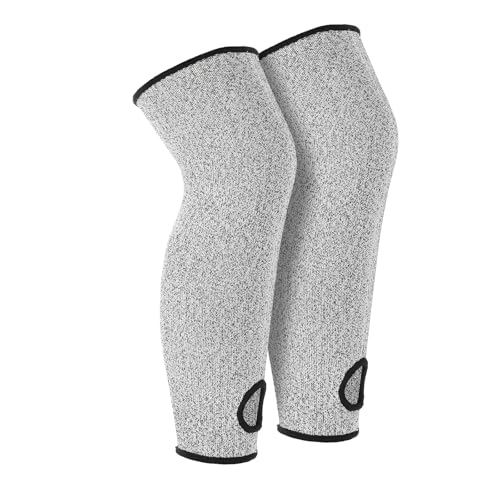
One of the defining features of HPPE is its excellent abrasion resistance, which protects products from physical wear during use. In contexts where products are subjected to harsh conditions, such as in the manufacturing and automotive sectors, the durability of HPPE becomes critical. Additionally, HPPE’s lightweight property means that protective gear manufactured from this material remains comfortable for extended wear, which is paramount in industries like construction, where workers need to maintain mobility while adhering to safety standards.
Another significant benefit of HPPE is its chemical resistance, an essential property for use in environments where workers are exposed to hazardous substances. The ability of HPPE to withstand various chemicals without degrading enhances safety and enables its use in labs, factories, and industrial settings. Consequently, the choice of HPPE products significantly influences the operational safety and efficiency of businesses in these industries.
As organizations prioritize employee safety and product reliability, the demand for quality HPPE products continues to surge. This trend underscores the importance of selecting reliable HPPE manufacturers. Partnering with experienced manufacturers ensures access to high-quality products that meet industry standards, ultimately safeguarding both personnel and performance. The advantages of HPPE illustrate why its strategic utilization in protective clothing, industrial applications, and safety gear is paramount for businesses aiming to maintain excellence in operations.
Key Factors to Consider When Choosing HPPE Manufacturers
When selecting a manufacturer for High-Performance Polyethylene (HPPE) products, several critical factors must be evaluated to ensure that the selected supplier meets industry standards and aligns with specific needs. The first and foremost criterion is the certifications held by the manufacturer. Relevant certifications, such as ISO 9001 or other industry-specific accolades, signify compliance with quality management systems and manufacturing excellence.
Another vital aspect to consider is the manufacturer’s production processes. Investigating how the HPPE products are manufactured can provide insights into the quality and durability of the materials. Efficient and advanced manufacturing processes indicate that the manufacturer is committed to innovation and continuous improvement, which is essential for producing high-quality HPPE products.
The product range offered by the manufacturer is equally important. A diverse array of HPPE products can cater to various applications, allowing businesses to source all necessary materials from a single supplier, which simplifies logistics and supply chain management. Furthermore, assessing the sustainability practices of the manufacturer plays a significant role in today’s environmentally conscious market. Utilizing eco-friendly methods and materials reflects a manufacturer’s commitment to reducing their environmental footprint, which can enhance your company’s reputation and compliance with regulations.
Customer service and support should also be prioritized. A manufacturer with strong customer relations and post-purchase support can make the entire buying process seamless and ensure that any issues or queries are resolved promptly. Additionally, investigating the reputation and industry experience of the manufacturer can provide further assurance of quality. Collecting this information can be done through online reviews, industry reports, and speaking with current or former customers. By carefully weighing these factors, businesses can make informed decisions when selecting HPPE manufacturers that best meet their needs.
Evaluating HPPE Products: Quality and Compliance Standards
When selecting High-Performance Polyethylene (HPPE) products, it is essential to scrutinize their quality and compliance with established industry standards. Manufacturers in the United Kingdom must adhere to a variety of standards, including EN (European Norm), ISO (International Organization for Standardization), and ASTM (American Society for Testing and Materials). Each of these standards provides critical guidelines regarding the safety, performance, and durability of HPPE products. Compliance ensures that the product has undergone rigorous testing and meets the specific requirements for its intended use.
Quality evaluation begins with understanding the relevant certifications that signify a product’s adherence to these standards. For instance, EN standards help ensure the consistency of performance and safety in HPPE products used in various industries. Products carrying ISO certification, on the other hand, indicate compliance with international best practices in quality management and assurance. Similarly, ASTM standards provide specific testing protocols and specifications crucial for safety and reliability. Manufacturers that comply with these standards demonstrate a commitment to high-quality production processes.
In addition to compliance with industry standards, evaluating the specifications and performance metrics of HPPE products is vital. Key specifications to consider include tensile strength, impact resistance, and chemical compatibility, which are integral in determining a product’s suitability for specific applications. Moreover, user reviews and performance feedback can add valuable insights into real-world usability and durability, providing a more comprehensive understanding of the product’s effectiveness.
Ultimately, a thorough assessment of quality standards, product specifications, and user experiences will enable purchasers to make informed choices regarding HPPE products. Ensuring that these products meet established safety and performance benchmarks is crucial for achieving satisfactory results in any application.
The Future of HPPE: Trends and Innovations in the UK Market
The High-Performance Polyethylene (HPPE) market in the United Kingdom is experiencing significant transformations driven by advancements in technology and heightened sustainability awareness. Manufacturers are embracing cutting-edge techniques to enhance the production of HPPE materials, thereby improving their efficiency and efficacy. Notably, innovations in extrusion and molding processes are leading to the development of higher quality materials with superior mechanical properties. These improvements not only enhance the performance of HPPE products but also contribute to their longevity and durability in various applications.
In addition to technological advancements, sustainability is a paramount concern influencing the HPPE landscape. As industries and consumers increasingly demand eco-friendly solutions, HPPE manufacturers are exploring sustainable practices within their production processes. This includes utilizing recyclable materials and reducing carbon footprints through energy-efficient manufacturing techniques. Such initiatives not only align with global sustainability goals but also resonate well with environmentally conscious consumers. As a result, the market is witnessing an increased adoption of HPPE products made from recycled materials, offering similar performance levels as their conventional counterparts.
Moreover, emerging applications for HPPE in diverse sectors are expanding its market potential. Industries such as construction, automotive, and healthcare are increasingly leveraging HPPE for its outstanding properties, such as high tensile strength and resistance to chemicals. Innovative uses, such as in lightweight vehicle components and advanced personal protective equipment, are on the rise, indicating a bright future for HPPE products. As businesses adapt to these trends, investing in innovative HPPE solutions can significantly enhance operational efficiencies and safety standards.
In conclusion, the future of HPPE in the UK market appears promising due to ongoing technological innovations, a strong push towards sustainability, and evolving application opportunities. By staying informed about these trends, businesses can strategically integrate HPPE solutions into their operations, ensuring they remain competitive and prepared for future developments in the market.
Contact information — Please use contact form on http://www.abshot.com/contact/